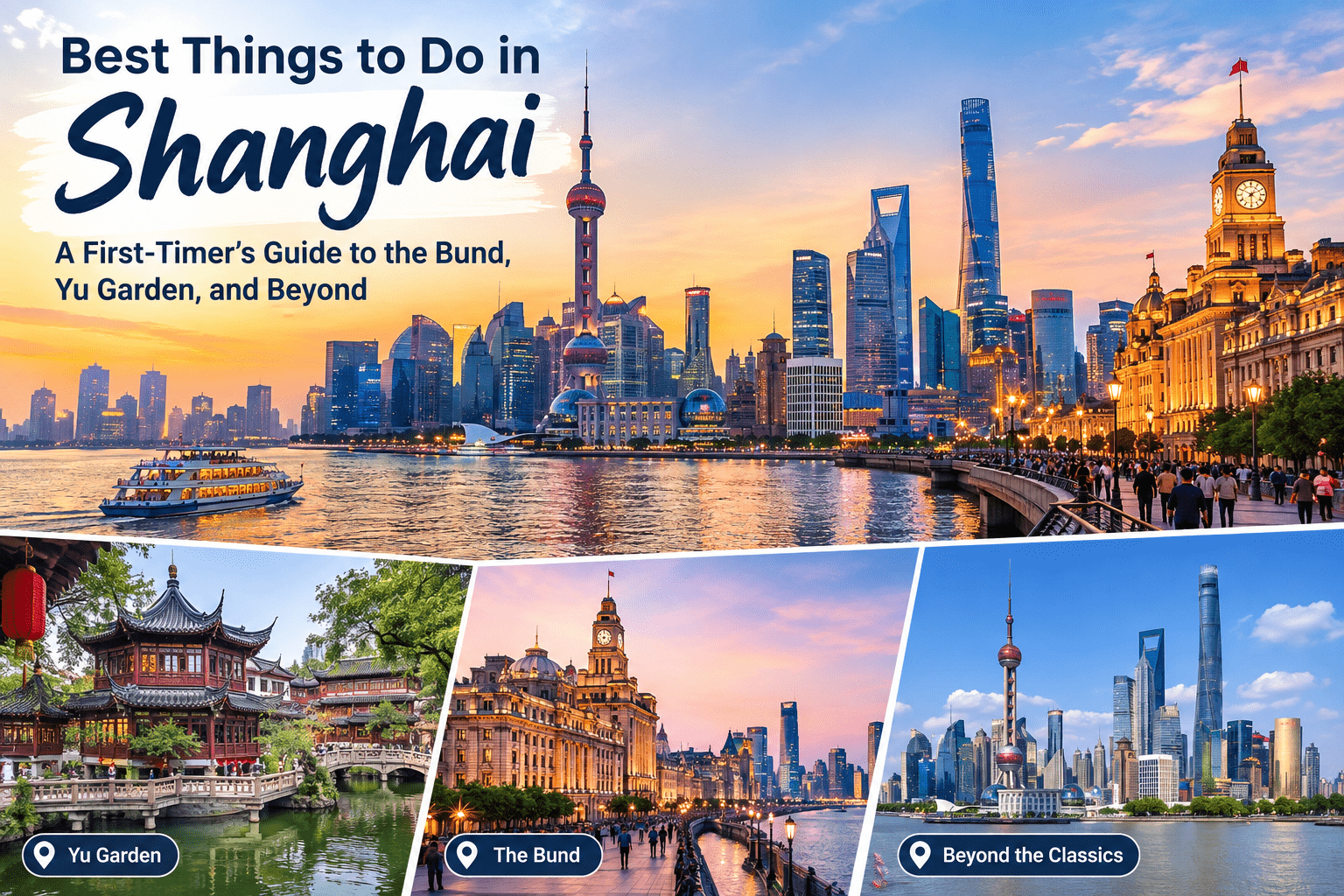
Best Things to Do in Shanghai: A First-Timer’s Guide to the Bund, Yu Garden, and Beyond
Things to do in Shanghai range from strolling the Art Deco waterfront of the Bund to climbing one of the world’s tallest observation decks, wandering a centuries-old garden, and hopping a bullet train out to a canal town for the afternoon. This guide organizes the city’s best attractions by neighborhood, so you’re not zigzagging across one of the largest metro areas on Earth.
This works best if you’re planning a first visit of 3–5 days and want a realistic, geography-first plan. It won’t help much if you’re after nightlife listings or a deep dive into Shanghai’s art gallery scene — that’s a different guide.
Getting Your Bearings: Puxi vs. Pudong
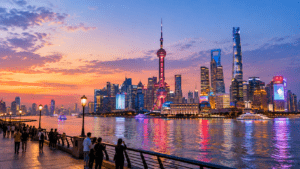
Here’s the thing: almost every “things to do” list throws names at you — the Bund, Yu Garden, Shanghai Tower — without explaining where they actually sit relative to each other. Shanghai splits into two halves across the Huangpu River.
Puxi (west side) is the older city. It’s where you’ll find the Bund, Yu Garden, Nanjing Road, and the French Concession — mostly walkable, low-rise, lane-house Shanghai.
Pudong (east side) is the newer financial district. This is skyscraper territory: Shanghai Tower, the Oriental Pearl Tower, and the IFC Mall all cluster here, most of it built up since the 1990s.
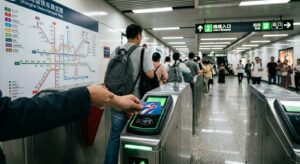
The Shanghai Metro connects both sides in minutes, and a rechargeable transit card (or the Metro Dākè app for tap-to-pay) works across trains and most buses. Most first-timers base themselves in Puxi near the Bund and take the metro into Pudong for a day or two of tower-hopping.
To plan a Shanghai neighborhood by neighborhood, follow these steps:
- Book a hotel in Puxi, near the Bund or Nanjing Road.
- Spend days one and two in Puxi (Bund, Yu Garden, French Concession).
- Cross to Pudong by metro for towers and skyline views.
- Reserve a half or full day for one out-of-town excursion.
The Bund and North Bund: Shanghai’s Skyline Showcase
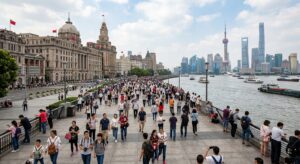
Walking the Bund is, without much argument, the single most essential thing to do in Shanghai. The mile-long waterfront promenade faces Pudong’s skyline directly, and it’s free, open around the clock, and best at two very different times of day — early morning, when it’s nearly empty, and after dark, when the towers across the river light up.
Most visitors stick to the main Bund near Nanjing Road. Fewer make it to the North Bund, a separate viewing stretch slightly upriver that gets a fraction of the crowds for a comparable view. If you’ve already done the main Bund once, it’s worth the fifteen-minute walk north.
According to Shanghai’s Municipal Administration of Culture and Tourism, the city recorded 9.36 million inbound visitors in 2025 — a record, and up nearly 40% year-on-year. A lot of that growth traces back to expanded visa-free transit rules, which is a big reason the Bund now feels busier at sunset than it did a few years ago.
https://english.news.cn/20260122/895d3c99302f43239c7bd945e69d54df/c.html
Yu Garden and the Old City: Shanghai’s Historic Heart
Yu Garden (Yuyuan) is a Ming Dynasty-era classical garden wrapped by an old-street bazaar of teahouses, food stalls, and shops selling everything from silk to souvenir chopsticks. Most guides push it as a daytime stop. I’d argue the opposite — go at night. The crowds thin out, the lanterns come on, and the old street starts to feel less like a shopping mall and more like the historic quarter it actually is.
Some travelers skip Yu Garden entirely as “too touristy.” That’s a fair complaint if you go at 2pm on a Saturday. But at 8pm on a weeknight, walking through nearly empty lanes under red lanterns, it earns its reputation.
Renting a qipao or hanfu for photos is a popular add-on here, and it’s genuinely fun even if you feel a little silly doing it.
Pudong’s Sky-High Views: Shanghai Tower, SMP, and IFC Mall
Shanghai Tower is the tallest building in China and the third tallest in the world. Its 121st-floor deck is the highest in the world, edging out the Burj Khalifa’s. Tickets aren’t cheap, and photos come out slightly hazy through the thick safety glass — but the novelty holds up.
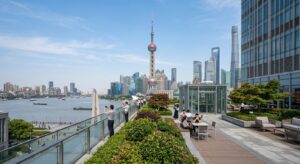
What most guides skip: you don’t have to pay for a great Pudong view. The IFC Mall rooftop is free, gives you a close, unobstructed look at the Jin Mao Tower and Shanghai Tower, and is rarely crowded on weekday afternoons.
Quick Comparison: Pudong Observation Options
| Option | Best For | Key Benefit | Limitation |
|---|---|---|---|
| Shanghai Tower | First-time visitors wanting the highest deck | World’s highest observation floor | Pricey, glass glare in photos |
| SMP “The Stage” | Photographers wanting the classic skyline shot | Full lineup of Pudong towers in one frame | Requires a ticket, smaller deck |
| IFC Mall rooftop | Budget travelers, families | Free entry, uncrowded, stroller-friendly | Lower elevation, no ticketed “deck” feel |
Shanghai Tower vs. IFC Mall rooftop: Shanghai Tower is better suited for travelers who want the highest possible vantage point because it holds the world’s highest observation deck. The IFC rooftop works better when budget or crowds matter — the key difference is elevation versus cost.
French Concession and Nanjing Road: Neighborhoods to Wander
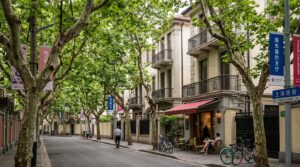
If the Bund and Pudong are Shanghai’s postcard shots, the French Concession is where the city actually breathes. Tree-lined streets, converted lane houses turned into cafés and boutiques, and a pace that’s noticeably slower than the rest of downtown. It rewards aimless walking more than any checklist item.
Nanjing Road, by contrast, is full-throttle Shanghai commerce — often compared to Fifth Avenue or Orchard Road. It’s loud, crowded, and touristy, but it’s also unavoidable if you want a sense of the city’s retail scale, and it connects easily to both the Bund and People’s Square.
Users who’ve tried to “do” both in a single afternoon usually report it feels rushed. Give each at least half a day if you can.
Day Trips from Shanghai: Zhujiajiao, Suzhou, and Hangzhou
Shanghai’s high-speed rail network makes several outside-the-city stops genuinely doable in a single day.
- Zhujiajiao Water Town — canals, stone bridges, and old-town architecture, about an hour away and the easiest half-day escape.
- Suzhou — often called the “Venice of China” for its classical gardens and canals, roughly 30 minutes by bullet train.
- Hangzhou — West Lake and tea plantations, about an hour out, best done as a full day.
Some travelers argue day trips aren’t worth it on a short visit, and that’s a reasonable call if you only have two or three days total. But if you’ve got four-plus days in Shanghai, even one half-day excursion breaks up the skyscraper-and-garden rhythm nicely.
Practical Tips: Visa-Free Transit and When to Go
China’s expanding visa-free transit policies are a major reason Shanghai’s tourism numbers jumped so sharply in 2025, and they’re worth checking before you book anything. Rules vary by passport and length of stay, so verify current eligibility directly with Chinese immigration authorities rather than relying on older blog posts — this space has moved fast over the past two years.
Peak season runs March through May and October through November, when weather is mildest and crowds at spots like the Bund and Yu Garden are heaviest. Summer is hot and humid; winter is cold but noticeably quieter, and hotel rates drop accordingly.
I’ve seen conflicting advice on trip length — some guides say three days covers Shanghai, others push for a full week. My read: three to four days covers the essentials in this guide comfortably, with a day trip added if you have it.
Frequently Asked Questions
Q: What’s the best time to visit Shanghai?
A: Spring (March–May) and autumn (October–November) offer the mildest weather and are the most popular seasons to visit.
Q: How many days do I need in Shanghai?
A: Three to four days covers the main attractions; add a day for one out-of-town excursion.
Q: Should I stay in Puxi or Pudong?
A: Puxi, near the Bund, puts you closer to more walkable attractions; Pudong suits travelers prioritizing skyscraper views and business districts.
Q: How do I get around Shanghai without speaking Chinese?
A: The Shanghai Metro is signed in English, and a transit app or rechargeable card covers trains and most buses easily.
Q: When should I visit the Bund?
A: Early morning for quiet photos, or after dark when the Pudong skyline lights up — both beat the crowded midday hours.
A Few Honest Limits
This guide covers first-timer essentials: landmarks, neighborhoods, and logistics for a 3–5 day trip. It doesn’t cover Shanghai’s nightlife scene, art districts like M50, or shopping beyond the major streets — those deserve their own dedicated guides.