Stuff to Do in Japan: A First-Timer’s City-by-City Guide
Stuff to do in Japan spans temples, food markets, bullet trains, hot springs, and neon-lit crossings — but the real question isn’t what exists, it’s what fits into the trip you’re actually taking. This guide sorts everything by city and trip length so you’re not just scrolling a list of 22 things with no sense of order.
This guide covers first-time trips of 5–14 days focused on Tokyo, Kyoto, and Osaka. It does not cover Hokkaido skiing, Okinawa beaches, or business travel — those need their own planning logic entirely.
Why Japan Is Harder to Plan Than It Looks
Here’s the thing: Japan isn’t short on things to do. It’s short on obvious priorities. Every blog ranks the Shibuya Crossing next to a 700-year-old shrine like they take equal time and deliver equal value. They don’t.
Japan welcomed a record 42.7 million international visitors in 2025, a 15.8% jump from the previous high of 36.9 million in 2024, according to JNTO. That surge means popular spots are busier than they were even two years ago, and it means the “just wing it” approach that worked for a 2015 backpacker trip now leaves you standing in a 40-minute line for a ramen shop that seats twelve.
Most people assume more time in Tokyo means a better trip. The data on visitor behavior says otherwise — travelers who split time across two or three cities report higher satisfaction than those who stay put, largely because Japan’s rail system makes city-hopping fast enough that it doesn’t feel like “travel days” at all.
https://statistics.jnto.go.jp/en/
Tokyo: Where Most Trips Start
Quick answer: Tokyo rewards 3–4 days minimum — enough for Shibuya, Asakusa, and one day trip to Mount Fuji or Nikko without rushing.
Shibuya Crossing is the obvious stop, and yes, it’s worth five minutes of your life to watch a few thousand people cross at once. Sensoji Temple in Asakusa is the oldest temple in the city and the street stalls around it are genuinely good for souvenirs, not just tourist junk.
What most guides skip: the Tokyo Skytree observation deck gets crowded fast after 4 PM, but weekday mornings before 11 AM run nearly empty. Book the skip-the-line ticket if you’re going on a weekend.
A day trip to Mount Fuji from Tokyo works well if you’re not climbing — the Fuji Five Lakes area and Chureito Pagoda give you the classic photo without the multi-day trek. Climbing season only runs July through early September, and permits now require advance booking after 2024’s overtourism restrictions.
To plan a Tokyo day trip to Mount Fuji, follow these steps:
- Book a guided tour or rail pass in advance.
- Travel to Kawaguchiko station via train or bus.
- Visit Chureito Pagoda for the lake-and-mountain view.
- Return to Tokyo same evening or stay overnight nearby.
Kyoto: The City Everyone Underestimates
Kyoto vs Tokyo isn’t really a competition — they serve different purposes. Tokyo is better suited for modern culture and food variety because it’s simply bigger and faster-moving. Kyoto works better when you want temples, gardens, and a slower pace. The key difference is density: Kyoto packs more historic sites into a walkable radius than almost anywhere else in the country.
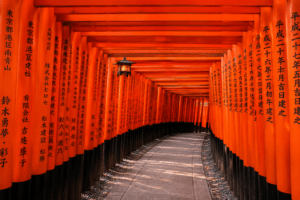
Fushimi Inari Shrine, with its thousands of vermillion torii gates climbing the mountainside, is free and open 24 hours. Go before 7 AM. I’ve seen conflicting advice on this — some guides say sunset is better for photos, others swear by sunrise. My read is sunrise wins, purely because the crowds by 9 AM turn the lower gates into a shuffling line.
Arashiyama’s bamboo grove is smaller in person than photos suggest. It’s still worth ten minutes, especially paired with the nearby Tenryu-ji Temple garden, which rarely gets mentioned but is arguably more impressive than the bamboo itself.
Kimono rental is popular here for a reason — Kyoto’s temple backdrops make the photos worth the roughly $40–60 rental fee. Locals genuinely don’t mind tourists wearing kimono; it’s treated as appreciation, not costume.
Osaka and Nara: The Food-and-Deer Combo
Osaka is Japan’s food capital, and Dotonbori at night is the easiest way to experience it — takoyaki stalls, neon billboards, and enough foot traffic to feel like a festival every night of the week. Tokyo has more Michelin-starred restaurants overall, but Osaka’s street food scene is arguably harder to beat.
Nara sits 30–45 minutes from Osaka or Kyoto by train, and it’s built around Nara Park, where roughly 1,200 semi-wild deer roam freely and will bow for crackers sold nearby. Bring small bills. The deer bite when they’re hungry and impatient, so don’t wave food around without intending to hand it over.
Quick Comparison
| Option | Best For | Key Benefit | Limitation |
|---|---|---|---|
| Tokyo | First-time variety, nightlife, shopping | Fastest transit, most food options | Can feel overwhelming in 2–3 days |
| Kyoto | Temples, gardens, traditional culture | Highest density of historic sites | Slower pace, crowded mornings at top sites |
| Osaka | Street food, budget travel | Cheaper dining, lively at night | Fewer standalone “landmark” sights |
Getting Around Without Wasting a Day
The JR Pass is still the standard recommendation for anyone visiting three or more cities, though it’s worth checking current pricing — Japan Rail raised pass costs in late 2023, so it no longer pays for itself on short single-city trips. For city transit, a Suica or Pasmo IC card covers subways, buses, and even convenience store purchases.
A short paragraph, on its own, because this part matters: buy your IC card at the airport, not later. It saves you the hassle of figuring out ticket machines on day one when you’re jet-lagged and just want to get to the hotel.
Quick Answers (Voice Search)
Q: What’s the best time of year to visit Japan?
A: Late March to early April for cherry blossoms, or mid-to-late November for fall colors — both are also the busiest and priciest.
Q: How many days do I need in Japan for a first trip?
A: 10–14 days covers Tokyo, Kyoto, and Osaka comfortably without rushing between cities.
Q: Should I get a JR Pass?
A: Only if you’re visiting three-plus cities; for Tokyo-only or short trips, individual tickets are usually cheaper now.
Q: Why does Kyoto feel more crowded than expected?
A: Overtourism concerns pushed authorities to add entrance fees and visitor caps at sites like Mount Fuji and parts of Gion in recent years.
Q: When should I book Mount Fuji climbing permits?
A: As early as possible — permits are now required in advance for the July–September climbing season.
What This Guide Doesn’t Cover
This is a first-timer’s framework for Tokyo, Kyoto, and Osaka. It doesn’t get into Hokkaido’s ski season, Okinawa’s beaches, or business-trip logistics — those follow different planning rules entirely, and cramming them into a first two-week trip usually means shortchanging the core cities instead.
Look — if you’re planning your very first trip, here’s what actually works: pick two or three cities, not five, and let the train schedule dictate your pacing rather than a checklist.